
What does it really mean to “Define” something? (Part 1)
You see it all over Kakumei's marketing. Front and center: Define. It's the first word of our DEFOG process, it's the very thing that can't be removed from any of the work we do. I'm sure most of us understand what it means to define something. It's easy enough to look up a word in a dictionary, check a search engine for some clarity, or review a wikipedia article for guidance. But to us, it's a whole lot more than simple definitions (though that is a part of it!) This series will show you how Kakumei helps you define your work and find clarity.
Let's use a simple example to help explain what "Define" really means.
Let's say you are a part of a team to develop a brand new park area. There will be a lot of considerations that go into building a park. These considerations often come to us in the forms of questions. For most people, the questions are simple:
Where will the park go?
What's going in the park?
When will it open?
But detailed planners can tell you there's a seemingly endless amount of questions like:
Who is the park for? Children? Adults? Both?
What's the demographic of the potential park attendees? (Ages, activities, events))
Where will the playground go?
Should there be workout equipment?
How much area will the park take up?
What budget do we have to build park amenities?
What amenities will serve our community?
Should we consider parking options?
Who will manage the park?
Who will fund the park?
What happens to legal claims that occur at the park?
How long will the construction take?
Should we perform a survey for the type of playground equipment to use?
Yikes, that got pretty intense! Depending on who you invite into the room to help plan this park, you'll get a wide variety of questions, anxieties, ideas, and more. In our years of working in various industries and consulting gigs we've learned there is one key element that is always lacking when executing a plan: clear definitions.
When we have so many open-ended questions, a lack of prioritization, and a vague sense of what we can and can't work on, teams will get frustrated and burnt out trying to solve everything. One person might be very adamant about playground amenities, another person could be advocating for which flowers should be planted and then there is someone concerned with the process of how to plan the park at all! These individuals aren't wrong for their concerns or focuses, but it can often pull us into a lot of different directions that can hurt our ultimate goal: building a park for the community.
Start with the Goal
We know from experience that starting at the basics is the best way to get teams driven toward consistent, predictable, equitable delivery. When we want to accomplish something, we first must define what that "something" is. In our park example above, some might believe the "something" is simply "build a park for the community", and to some extent that is correct but it is generally pretty vague. When working with us at Kakumei Consulting the first thing you'll usually encounter is the group sitting at a whiteboard (virtual or in person) and we will write "Goal:" at the top. This simple statement tells the room we are about to come to an agreement on what this goal is and how we are going to define it.
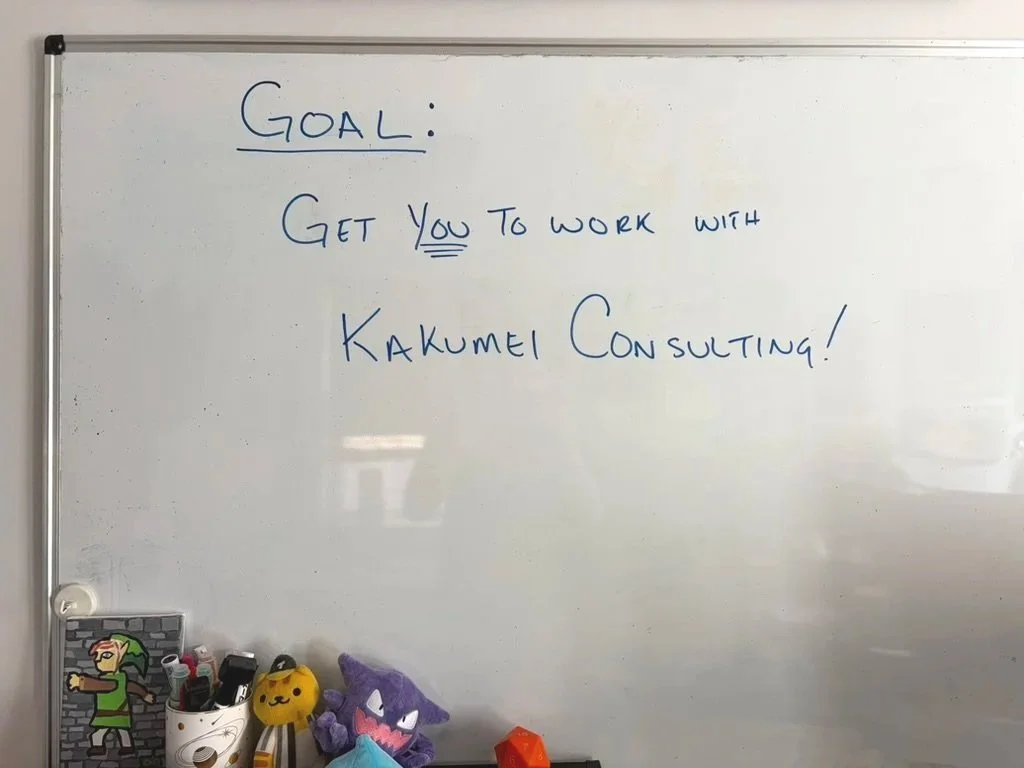
Chelly’s whiteboard and supportive friends
Step 1: Defining "The Goal"
As simple as the word and concept of a goal is, defining the goal is never that easy. Pull any group of people in a room and often the conversation will be one of semantics and details. Your reactions will range from finding the things discussed annoying or insightful, but at the end this first step: discussing and agreeing as a team what the goal is -- is the most important step.
Humans, by nature, are easily distracted. Some of us with anxiety will chase down an idea until it runs us tired, while others may be more concerned with aesthetics. No matter what type of personality is in the room, once we've agreed on "The Goal" we can often point back to it and ask "is what we're discussing going to drive us closer to our goal?" to help us get back on target.
So, we've written "Goal:" on the board, but how do we define it? We want to ensure that our final statement is endorsed by the team and gives a better-than-vague sense of direction we're taking. We want our goal statement to be clear, concise, & obvious without being overbearing or too complicated. Remember, the goal is the thing we point to to remind ourselves of our task, but the rest of our definitions will help clear things up along the way.
Let's go back to our park example and review a few examples of goal statements and review them:
Statement 1: "Build a park"
Too vague, what kind of park? for who? it opens up too many questions
Doesn't provide a clear direction towards the thing we're building.
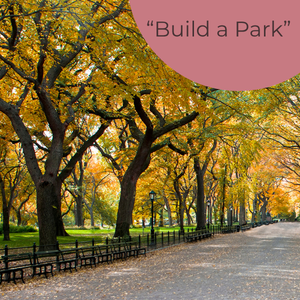
“Build a Park” can be pretty simple
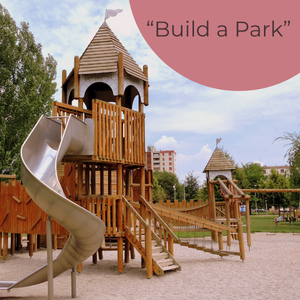
But it can mean different things…
Statement 2: "Build a park targeting the community living within a 5 mile radius that promotes a peaceful nature-filled environment, a fun way to exercise for all ages, and allows local events to take place."
Gives a sense of who we are targeting
Provides a general scale of the park
Allows for a direct "nature-type" aesthetic
Helps answer the question “Is this what people within a 5-mile radius have stated they want?”
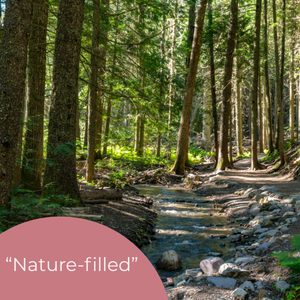
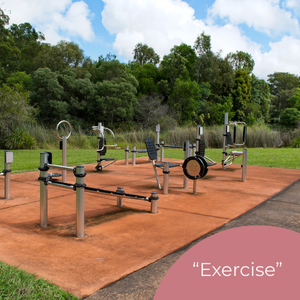
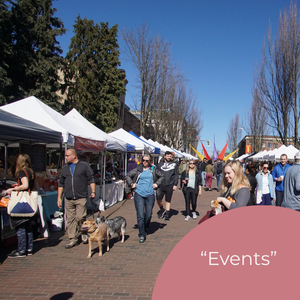
Between the two statements, it's obvious what the differences are, right? When we hear "build a park" we might think of a park we went to as a child, one across the street, or any number of things but when we're clear about the type of park we want it evokes something a bit more targeted. A city park might be different from a park in a small town and so on. Every option typed out here and more, someone in that room is thinking.
Goal Setting Activity
Okay, so we understand what a good goal can look like, but how do we get the team there? Here's an exercise that we do at Kakumei Consulting that can help get you started. The objective here is to facilitate conversation, get a better understanding of the team's expectations and unspoken ideas. The goal might change a few more times after this activity, but this session is foundational in establishing the language we will all use moving forward. Healthy debate and conflict is welcome! It may be best to set aside a few hours for this activity with a few breaks sprinkled in the middle, depending on the size and scope.
Get a whiteboard, a writing area for the team, a digital space -- whatever that allows everyone on the team to be able to write some things down.
Write "Goal:" up at the top. We will not fill this in just yet, but it is there as our reminder of what we're here to accomplish.
Have the leader of the team or the group get things started by stating what it is we're trying to do. (Are we building out a new process or building a brand new product? Perhaps it's just a small project? Maybe it's just defining the mission of the team. Anything goes! Why are we here together today?) Remember, in our example we started with something as simple as "build a park" to get conversation started.
Ask the team to write down on the board some key words that they think are relevant to the goal. In our park example this might be things like "nature", "event space", "flowery", "playful", "inviting", "Central Park but small". Play with adjectives, nouns, other examples-- anything to get the ideas brewing.
Now that we have some ideas and inspiration written on the board, allow a chance for team members to voice their thoughts. Why did we pick this word? Do we all agree? Give a chance for the team to engage in some healthy debate and discussion on what was written and why. Give your team time and space to discuss.
Once discussions have fizzled out, give your team a much needed break. Snacks and drinks are always welcome to a pack of thinkers!
Now that we've taken 15 minutes away from the exercise, let's investigate writing that goal down. A leader of the group can now go to the board and attempt to draft a detailed goal statement.
The team may instantly agree or they may be ready for more debate -- either way this is what we want! Allow the team to sound off about semantics and discuss specific word changes.
Repeat this re-writing exercise until the team can (mostly) agree to the goal. It's important we do our best to get everyone on board with the mission. We don't want our team members working on something they don't have buy-in to, they'll check out! This is life though and sometimes humans just can't agree, do our best and perhaps schedule some one on one's with folks to give them a chance to voice concerns they don't feel good about. Take rounds of voting to get a general consensus and encourage discussion.
Wrap up the session by restating the goal and ensuring the next session is planned!
And that's it for step 1! Hopefully with this your team has a better sense of where it's heading and what it's working towards -- together. But wait, what's our next session? Next up we're going to start defining some of the basic requirements with scope, schedule, and resources! Check back in next week to see part 2.
If this feels a bit too intimidating to run for yourself or your team, don't hesitate to reach out for our 30-minute free consultation call or to book us for one of our "Whiteboard Sessions". Perhaps you are interested in learning some of these skills for yourself as a manager? Check out our 1-on-1 sessions [here].
In Summary
Giving our teams clarity and a sense of direction can enable healthy discussion, trust, and confidence in the work at hand. It might seem very simple to get "The Goal" defined, but ultimately what we are building is connection and trust within the team. "The Goal" is a reminder of that social contract we built together during our session. It will help keep us focused on our future efforts as well as creating an open environment for the team to discuss concerns with one another. When we build a healthy foundation, we can build an incredible ...well... park!
